 Login
Login


 Products


 Go Back to blog listing page
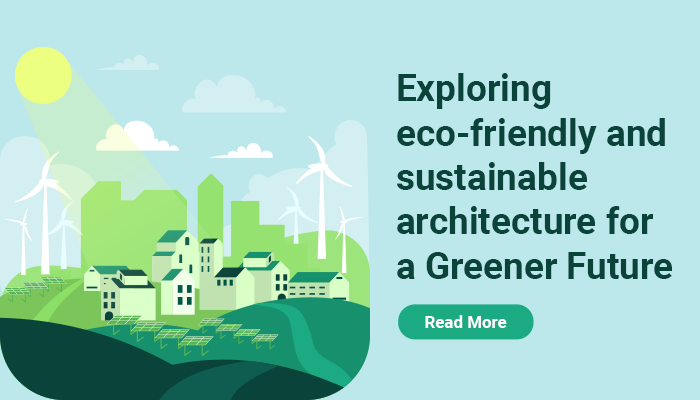
Exploring Eco-Friendly and Sustainable Architecture for a Greener Future



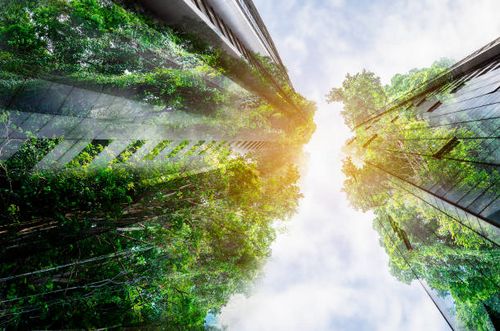
Sustainable architecture aims to reduce the harmful effects of buildings on the environment. This can be accomplished through different techniques, including the use of eco-friendly building materials, designing for energy efficiency, and integrating renewable energy sources.
Green architecture examples can inspire and guide you in designing eco-friendly and sustainable buildings. It can help to reduce greenhouse gas emissions, which contribute to climate change. Additionally, sustainable buildings can save money on energy costs, which can benefit both homeowners and businesses.

There are many sustainable architecture examples around the world. One well-known example is the Burj Khalifa in Dubai, which is the tallest building in the world. The Burj Khalifa is LEED Platinum certified, which means that it meets the highest standards for sustainability.
Ready to take the next step towards a sustainable future?
Explore the options with IIFL Home Loans. Let your dreams find a home that is aligned with your values. Check out the possibilities now and step into a world where your aspirations are rooted in sustainability.

Principles of Sustainable Architecture
Many core principles guide sustainable architecture. These include:
-
Energy efficiency
Sustainable architecture is designed to use as little energy as possible. This can be achieved through a variety of methods, such as using insulation to reduce heat loss, installing energy-efficient appliances, and using natural light whenever possible.
-
Resource conservation
Sustainable architecture is designed to conserve resources such as water and materials. This can be achieved through methods such as rainwater harvesting, using recycled materials, and designing buildings that are easy to maintain.
-
Minimizing environmental impact
Sustainable architecture is designed to minimize its environmental impact. This can be achieved through methods such as using low-toxic materials, reducing pollution, and protecting wildlife habitats
-
Benefits of Eco-friendly Buildings
As the demand for eco-friendly buildings increases, we can expect to see even more innovative and environmentally friendly buildings being constructed. These buildings will help to reduce our impact on the environment and create a more sustainable future for all.
Here are some benefits of eco-friendly buildings:
-
Reduced energy costs
Eco-friendly buildings can save money on energy costs, which can benefit both homeowners and businesses.
-
Improved indoor air quality
Eco-friendly buildings have better indoor air quality, which can lead to improved health and productivity for the people who live and work in them.
-
Increased property value
Eco-friendly buildings tend to have a higher property value than non-eco-friendly buildings.
-
Environmental protection
Eco-friendly buildings help to protect the environment by reducing pollution and greenhouse gas emissions.
-
Key Takeaways
As we conclude our exploration of sustainable architecture, we discover a roadmap to a greener world. From LEED-certified wonders to solar panels and smart designs, each discovery points to a future where buildings and nature coexist in harmony.
Eco-friendly buildings are necessary as they save energy and money, and help protect nature. As the demand for eco-friendly buildings increases, we can expect to see even more innovative and environmentally friendly buildings being constructed in the years to come.
Your dreams of a green future could find a home with IIFL Home Loans. Explore the possibilities and be part of building a green world. Check out our loan options now and make a difference for a better planet.
FAQs
Q1: What are some examples of sustainable building designs?
Ans. Examples include green roofs covered in plants, passive solar designs that use sunlight for heating, and rainwater harvesting systems.
Q2: How do sustainable buildings contribute to green infrastructure projects?
Answer. Sustainable buildings incorporate elements that contribute to green infrastructure. These features help manage rainwater, reduce runoff, and create urban environments that mimic natural ecosystems.
Q3: How do net-zero energy buildings work?
Answer. Net-zero energy buildings generate and consume the same amount of energy yearly through efficient designs, renewable sources, and energy optimization.
Q4. Are LEED-certified buildings the only way to achieve sustainable architecture?
Answer. While LEED certification sets high sustainability standards, it is not the only path to sustainable architecture. Many buildings incorporate eco-friendly materials, energy-efficient designs, and green technologies without undergoing formal certification.
Q5. Can sustainable architecture help lower urban pollution?
Answer. Sustainable architecture reduces pollution by incorporating features like green roofs and permeable surfaces that absorb pollutants, using low-toxic materials that minimize indoor air pollutants, and encouraging transportation options that decrease vehicle emissions in urban areas.
Tags

Most Read Blogs

green and sustainable homes
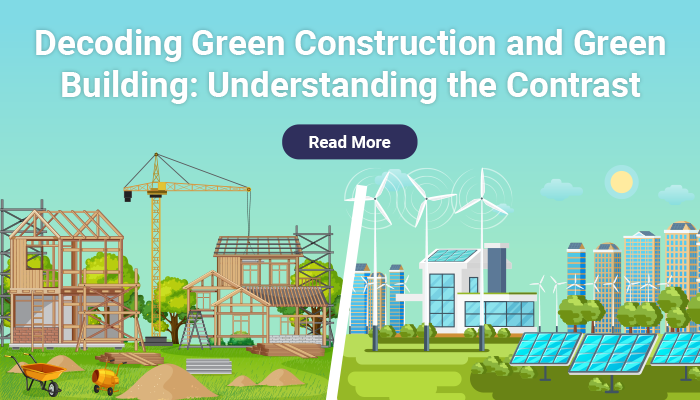
green and sustainable homes

What can we help you with?

Home Loan

Secured Business Loan

Balance Transfer

Home Improvement Loan

Home Loan for Uniformed Services

NRI Home Loan
Home Loan
Secured Business Loan
Balance Transfer
Home Improvement Loan
Home Loan for Uniformed Services
Get instant support with existing loan related queries

Raise a Request Get instant access to your existing Loan Account with us Raise a Ticket 

Call Helpline Speak with our Customer Support Executive on 1860 267 3000

Visit Nearby Branch You can walk into any of our 300+ branches, spanning across 18 states Get Directions
Our Brands & Subsidiaries


Insurance Partners


HDFC Life Insurance
Learn more
Bajaj Life Insurance
Learn more
ICICI Prudential Life Insurance
Learn more
Go Digit General Insurance
Learn more
Aditya Birla Capital Insurance
Learn more
Bajaj Allianz General Insurance
Learn more


