 Login
Login


 Products


 Go Back to blog listing page
Loan Against Property (LAP)



In today’s real estate and housing finance landscape, the term Loan Against Property (LAP) frequently makes an appearance. Simply put, it is a loan that you avail by pledging your commercial or residential property as collateral. Also known as a secured loan, the security in this arrangement is the property owned by the applicant. The market value of your property is one of the primary determinants of the potential loan amount sanctioned.
What is a Loan Against Property (LAP)?
A Loan Against Property (LAP) is a secured loan where you pledge your owned property—residential, commercial, or industrial—as collateral to raise funds. The property remains in your name, but the lender holds the legal right to sell it if you fail to repay the loan.
Since LAP is backed by a tangible asset, it generally comes with:
- • Lower interest rates compared to unsecured loans
- • Longer repayment tenures, making EMIs more manageable
- • Higher loan amounts, often up to 70–80% of the property’s market value
You can use LAP for various purposes, such as expanding a business, funding education, managing medical expenses, or consolidating debt. However, timely repayment is crucial to avoid losing ownership of your property.
How does Loan Against Property work?
A Loan Against Property works by unlocking the value of your property while you continue to own and use it. Here’s how the process usually unfolds:
- 1. Property Assessment: The lender evaluates the market value of your property (residential, commercial, or land) to determine the eligible loan amount.
- 2. Loan Amount & LTV Ratio: Based on this valuation, the lender typically offers 50%–70% of the property’s market value as the loan amount (Loan-to-Value ratio).
- 3. Loan Disbursement: Once your application is approved and documents verified, the sanctioned amount is credited directly to your bank account.
- 4. Usage Flexibility: You can use the funds for business expansion, education, wedding expenses, debt consolidation, or other financial needs—there are no end-use restrictions.
- 5. Ownership Retained: Even though the property is mortgaged, you continue to use, rent, or occupy it during the loan period.
Key Features of a LAP Loan
Loan against property offer various features, such as:
- • Secured Loan: Backed by your residential, commercial, or industrial property as collateral.
- • High Loan Amounts: Get substantial funding based on the property’s market value and the lender’s assessment.
- • Flexible Usage: Funds can be used for business expansion, debt consolidation, education, medical expenses, or personal needs.
- • Long Tenure Options: Repayment periods typically range from 5 to 15 years, making EMIs more affordable.
- • Lower Interest Rates: As it’s a secured loan, interest rates are generally lower compared to unsecured loans.
- • Quick Processing: Faster approvals if you have clear property titles and strong repayment capacity.
- • Retain Ownership: You continue to own and use the property while repaying the loan.
- • Balance Transfer Facility: Option to transfer your LAP to another lender offering better rates and terms.
- • Top-Up Loan Availability: Eligible borrowers can get additional funds without fresh documentation.
- • Tax Benefits: In certain cases, interest paid on LAP may be eligible for tax deductions (as per prevailing laws).
Types of Property against which LAP can be availed
- • Self-owned residential property
- • Self-owned and self-occupied residential property
- • Self-owned but rented residential property
- • Self-owned piece of land
- • Self-owned commercial property
- • Self-owned but rented commercial property
Borrowers seek LAP for diverse purposes such as financing an overseas holiday, hosting a grand wedding, funding higher education, or scaling up a business, buying a new property, renovating an existing one, consolidating debt, transferring balances from existing loans, or even meeting working capital needs.
Eligibility Criteria for LAP
While exact requirements may vary by lender, most follow these basic parameters:
- • Age: Typically, 21–65 years (at loan maturity)
- • Employment type: Salaried employees, self-employed professionals, or business owners
- • Income stability: Regular income to ensure timely repayment
- • Property ownership: Clear title and legal ownership of the property offered as collateral
- • Credit profile: Good credit history and repayment track record
Documents Required for LAP
While requirements may vary between institutions, the standard set includes
- • KYC documents (age and address proof)
- • Income proof (salary slips, ITRs, business financials)
- • Ownership documents of the property
- • Bank statements for the last six months
- • Processing fee cheque
- • Any additional documents as requested by the lender
Benefits of taking a Loan Against Property
Several benefits are offered by LAP, some of which are:
- • Lower Interest Rates: Typically, more affordable than unsecured loans like personal loans.
- • Higher Loan Amount: Unlocks significant funds based on your property’s market value.
- • Flexible Tenure: Repayment periods can extend up to 15 years, easing monthly outflows.
- • Multi-purpose Use: Funds can be used for business, education, medical needs, or other expenses.
- • Continued Ownership: You retain the right to use and occupy your property while repaying the loan.
Also Read: Secured Vs. Unsecured Loan: What Is The Difference
Risks and Considerations
While a Loan Against Property offers attractive benefits, it’s important to be aware of the potential risks:
- • Risk of Property Loss: Defaulting on EMIs can lead to the lender seizing and selling your property.
- • Longer Repayment Period: Extended tenures may lower EMIs but increase total interest paid.
- • Property Value Fluctuations: A drop in market value can impact your loan eligibility for top-ups or refinancing.
- • Legal and Ownership Issues: Any dispute over property ownership or incomplete documentation can delay or block loan approval.
When should you opt for LAP?
A loan against property offers quick access to substantial funds at comparatively lower interest rates than unsecured loans. It allows you to leverage your property’s value while continuing to use it. Flexible repayment options and longer tenures make it suitable for various needs, such as business expansion, debt consolidation, or funding major personal expenses.
Final Thoughts
A loan against property stands out as a potent financial tool, balancing high loan values, competitive interest rates, and flexible tenures. However, prudent planning, accurate valuation of your repayment capacity, and understanding of the legal implications are critical before proceeding. With disciplined repayment, LAP can serve as a bridge between your current financial needs and long-term asset retention.
Tags

Most Read Blogs
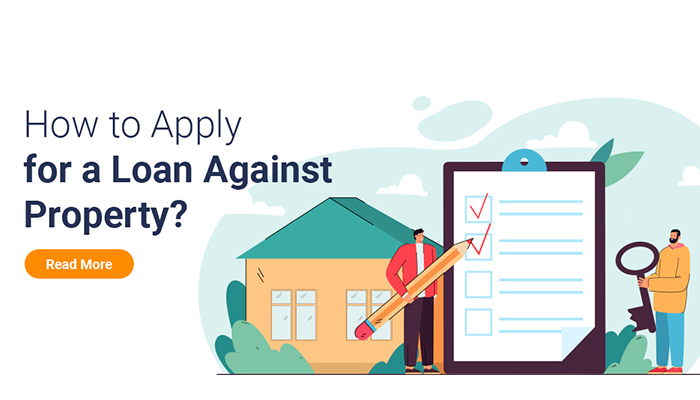
Shakthi Loan Against Property
Shakthi Loan Against Property
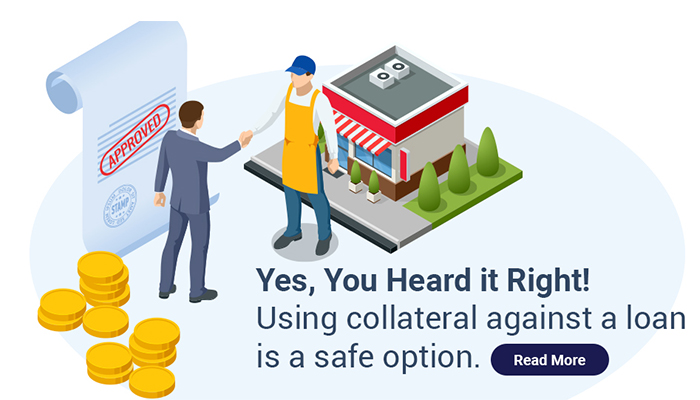
Shakthi Loan Against Property

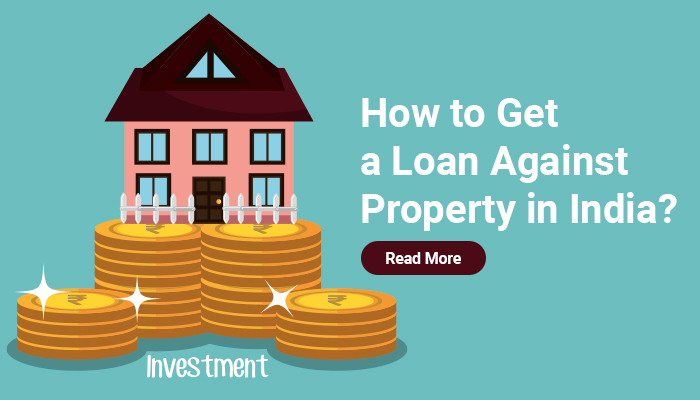
Frequently Asked Questions (FAQ’s)
Q1. How much loan amount can I get against my property?
Ans:
The loan amount depends on the market value of the property, borrower’s income, and lender’s policies. Generally, up to 60–70% of the property value is offered.
Q2. What is the tenure for a Loan Against Property?
Ans:
Tenure usually ranges from 5 to 15 years, depending on the lender’s terms and the borrower’s repayment capacity.
Q3. Can I use the loan amount for any purpose?
Ans:
Yes, the loan amount can be used for business expansion, education, medical expenses, debt consolidation, or any personal financial need (except speculative purposes).
Q4. Is there a prepayment option for Loan Against Property?
Ans:
Yes, most lenders allow part-prepayment or full prepayment. Charges may apply depending on whether the loan is fixed or floating interest rate.
What can we help you with?

Home Loan

Secured Business Loan

Balance Transfer

Home Improvement Loan

Home Loan for Uniformed Services

NRI Home Loan
Home Loan
Secured Business Loan
Balance Transfer
Home Improvement Loan
Home Loan for Uniformed Services
Get instant support with existing loan related queries

Raise a Request Get instant access to your existing Loan Account with us Raise a Ticket 

Call Helpline Speak with our Customer Support Executive on 1860 267 3000

Visit Nearby Branch You can walk into any of our 300+ branches, spanning across 18 states Get Directions
Our Brands & Subsidiaries


Insurance Partners


HDFC Life Insurance
Learn more
Bajaj Life Insurance
Learn more
ICICI Prudential Life Insurance
Learn more
Go Digit General Insurance
Learn more
Aditya Birla Capital Insurance
Learn more
Bajaj Allianz General Insurance
Learn more


